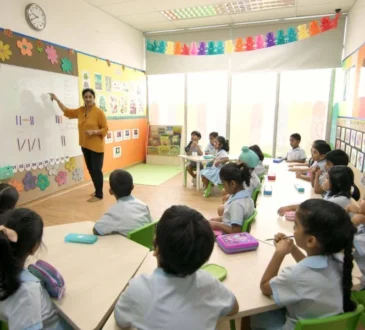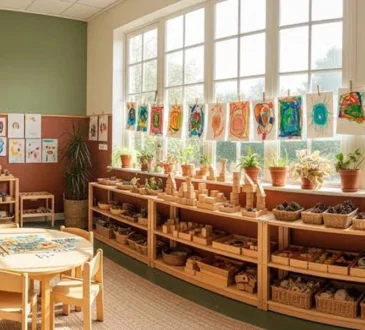


Education is most effective when students are encouraged to explore, question, and discover rather than simply memorise information. Modern learning environments focus on developing curiosity, creativity, and independent thinking from an early age. Inquiry-based learning plays an important role in this approach by allowing students to take an active part in their education. It creates meaningful classroom experiences where learning becomes engaging, interactive, and connected to real-life situations.
For parents exploring IB schools in Mumbai, understanding the role of inquiry-based learning can help them recognise the value of an education that goes beyond textbooks and examinations. The International Baccalaureate (IB) approach encourages students to ask meaningful questions, investigate different perspectives, and develop a deeper understanding of the subjects they study. This method supports academic growth while building essential skills that students can use throughout their lives.
What Is Inquiry-Based Learning?
Inquiry-based learning is a teaching approach that places curiosity and exploration at the centre of the educational experience. Instead of receiving information passively, students are encouraged to ask questions, investigate topics, discuss ideas, and find answers through guided activities.
Teachers introduce concepts and provide the necessary resources, but students actively participate in discovering knowledge. For example, while learning about environmental conservation, students may explore how pollution affects their surroundings, identify possible causes, and suggest practical solutions.
This approach makes lessons more meaningful because students understand not only what they are learning but also why the knowledge matters.
How Inquiry-Based Learning Shapes the IB Classroom
The IB classroom experience is designed to encourage active participation, independent thought, and meaningful exploration. Inquiry-based learning supports these objectives in several ways.
1. Encourages Curiosity and Questioning
Students are encouraged to ask questions about the topics they study. Rather than limiting discussions to textbook information, teachers create opportunities for learners to explore different ideas and perspectives.
This develops a natural interest in learning and motivates students to investigate subjects beyond the classroom. Asking questions also helps children become more confident in expressing their thoughts.
2. Develops Critical Thinking Skills
Inquiry-based activities encourage students to analyse information, compare viewpoints, and evaluate possible solutions. They learn to approach challenges logically instead of accepting every piece of information without examination.
For instance, a classroom discussion about renewable energy may encourage students to compare different energy sources, understand their advantages, and consider their environmental impact.
These experiences strengthen analytical thinking and decision-making abilities.
3. Promotes Independent Learning
One of the important benefits of inquiry-based education is that students gradually become responsible for their learning.
They learn how to research topics, organise information, identify relevant details, and communicate their findings. Teachers provide guidance and support while allowing students the freedom to explore ideas independently.
Developing these habits helps learners become more self-motivated and prepared to take responsibility for their academic progress.
4. Makes Classroom Learning Interactive
Inquiry-based learning encourages discussions, group projects, presentations, experiments, and collaborative activities. Students get opportunities to share their ideas, listen to others, and learn through different experiences.
This interactive environment makes lessons more engaging and allows children to understand concepts through practical applications.
Group activities also strengthen communication, teamwork, and interpersonal skills.
5. Connects Education With Real-Life Experiences
Learning becomes more meaningful when students can connect classroom concepts with situations they encounter in everyday life.
IB classrooms often encourage learners to investigate real-world topics, such as environmental sustainability, cultural diversity, technology, and community development.
These activities help students recognise how academic knowledge can be applied outside school and encourage them to think about their role in the wider world.
The Role of Teachers in Inquiry-Based Learning
Teachers play an important role in creating a successful inquiry-based classroom. Rather than simply delivering information, they act as facilitators who guide students through the learning process.
They introduce thought-provoking questions, encourage discussions, provide learning resources, and help students explore different approaches to solving problems.
A supportive teaching environment ensures that students feel comfortable sharing ideas, making mistakes, and learning from their experiences. This balance between guidance and independence helps every learner develop confidence and curiosity.
Conclusion
Inquiry-based learning creates a positive and engaging educational experience by encouraging students to become active participants in their learning journey. It develops curiosity, critical thinking, creativity, collaboration, and independent learning skills that support long-term academic and personal growth.
For families considering IB schools in Mumbai, this approach offers an opportunity to explore an educational environment where children learn through questions, experiences, and meaningful discoveries. By connecting classroom knowledge with real-world situations, inquiry-based learning helps students develop the confidence and skills needed to approach future opportunities with an open and thoughtful mindset.