

In today’s fast-paced world, providing a supportive environment for children is crucial. A well-designed space allows every child to develop their potential. By focusing on their unique needs, parents can foster independence and confidence.
The Maria Montessori Institute offers valuable insights on transforming living spaces into places of learning. Through natural exploration and discovery, children can thrive in a nurturing atmosphere. This approach encourages a love for learning that lasts a lifetime.
This guide delves into practical ways to implement this educational philosophy. It aims to ensure that children flourish in an environment tailored to their growth. With the right setup, parents can create a space that inspires curiosity and promotes personal development.
Key Takeaways
- Every child benefits from a space designed for their unique needs.
- Natural exploration fosters learning and discovery.
- A supportive environment boosts independence and confidence.
- Implementing educational philosophies enhances child development.
- A well-structured space encourages a lifelong love for learning.
Understanding the Montessori Philosophy
In an ever-evolving society, nurturing an environment for children is essential. The Montessori education philosophy, as articulated by Emma Wong Singh, emphasises respect for a child’s natural development. This method encourages children to learn by engaging with their surroundings, rather than relying solely on passive entertainment.
By closely observing their children, parents can pinpoint specific interests. This insight allows them to craft an environment that supports natural curiosity and academic growth. The Montessori method invites parents to slow down and experience the world through their child’s perspective, fostering deeper connections.
Implementing this approach cultivates a well-ordered mind in children. Over time, this leads to clearer and more logical thinking patterns. The benefits of such an educational approach are profound, impacting both learning and personal development.
“The greatest gifts we can give our children are the roots of responsibility and the wings of independence.”
– Maria Montessori
| Core Principles | Benefits | Application |
|---|---|---|
| Respect for the child’s development | Encourages independence | Creating engaging spaces |
| Learning through interaction | Fosters natural curiosity | Observing child interests |
| Deeper connections with parents | Promotes logical thinking | Adapting the environment |
How to Create a Montessori Home Environment
Creating an enriching space for children is vital in supporting their growth and independence. A prepared environment is essential for a successful Montessori home, allowing children to engage actively in daily tasks. This involvement fosters a sense of responsibility and boosts their self-worth.
When parents design their home with the child’s smaller self in mind, they create a space that nurtures independence. Establishing a consistent and predictable environment helps children internalise the order they observe, which is crucial for their mental development and focus.
Accessibility is key. Parents should ensure that every child can navigate their home confidently, with minimal adult intervention. By maintaining a prepared environment, families provide the structure necessary for children to refine their movements and build essential life skills.
| Aspect | Description | Benefits |
|---|---|---|
| Prepared Environment | A space designed for child engagement | Encourages independence and participation |
| Accessibility | Child-friendly layouts and furniture | Boosts confidence and self-sufficiency |
| Consistency | Predictable routines and setups | Supports mental development and focus |
Designing a Child-Centred Space
Designing an environment that caters to children’s development is essential for their growth. A well-planned space allows children to explore and engage in physical activities safely. Using furniture like the Nugget Comfort couch creates climbing areas that support gross motor development.
Incorporating items such as Pikler Triangles and ramps further enhances opportunities for children to refine their motor skills. Each piece of furniture should be at the child’s level, ensuring they can access their belongings independently.
Natural light and soft colours contribute to a calming atmosphere. This environment encourages children to immerse themselves in their chosen activities. Additionally, an open space within the home is vital for children to move freely, which is a key component of a healthy learning environment.
| Furniture Type | Purpose | Benefits |
|---|---|---|
| Nugget Comfort Couch | Climbing and exploration | Enhances gross motor skills |
| Pikler Triangle | Physical activity | Promotes coordination and strength |
| Child-Level Furniture | Accessibility | Encourages independence |
Integrating Practical Life Activities
Fostering a child’s independence through daily tasks can significantly enhance their confidence. Integrating practical life activities into the home is essential for every child. These activities enable children to engage in real-world tasks, refining their coordination and fine motor skills.
Providing a step stool allows children to safely reach the sink in the bathroom or the counter in the kitchen. This accessibility encourages them to participate in daily routines, making them feel like valued members of the household.
When children master these life activities, they gain the confidence needed to tackle more complex challenges. This sense of achievement fosters a greater sense of independence, which is vital for their overall development.
Incorporating Educational Materials and Toys
A thoughtfully curated selection of toys and resources can significantly enhance a child’s learning experience. It is essential to choose items that not only engage but also promote meaningful interactions.
Eilmar recommends selecting materials that are age-appropriate and designed to encourage deep engagement. This focus helps avoid distractions that simple entertainment often brings.
- Opt for educational materials made from natural substances like wood. These are durable and provide a richer sensory experience.
- When selecting items, consider those that align with the child’s current stage of education and development.
- Avoid battery-operated toys that sing or light up, as they can detract from the core principles of the educational approach.
- Providing a variety of materials allows children the freedom to choose activities that match their interests and skill levels.
Setting Up a Montessori Playroom
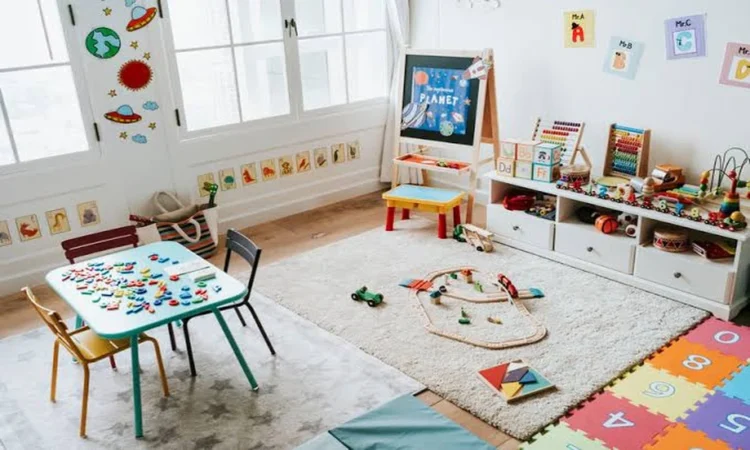
A thoughtfully arranged playroom can serve as a catalyst for a child’s growth and independence. This space should include a limited selection of 8-10 activities that encourage toddlers to focus and master their chosen tasks. A well-curated environment helps maintain engagement and promotes skill development.
Rotating toys weekly keeps the play area fresh and stimulating. This approach ensures that children remain excited about their activities, fostering a love for learning. By the time a child reaches 16 months, they can learn to put items back on the shelf with practice. By 22 months, many toddlers will often tidy their play space without prompts, demonstrating the effectiveness of this method.
Establishing order and routine is vital in this setting. Such practices help children build confidence and respect for their environment. This structured approach is an essential part of nurturing independence and responsibility in young learners.
| Aspect | Description | Benefits |
|---|---|---|
| Limited Toy Selection | 8-10 focused activities | Promotes concentration and mastery |
| Toy Rotation | Weekly changes in play items | Maintains engagement and excitement |
| Order and Routine | Consistent tidying practices | Builds confidence and responsibility |
Involving Family and Professional Guidance
Engaging the entire family in educational practices fosters a strong foundation for children. This collaborative approach ensures that every child receives consistent support throughout their formative years. Eilmar Montessori offers specialised courses tailored for parents, midwives, and nannies, guiding them in creating a nurturing home.
By involving the whole family, parents can provide a stable environment that aligns with the Montessori method. Professional guidance plays a crucial role in helping parents observe their child’s interests. This understanding allows them to adapt their home effectively, meeting the evolving needs of their children.
The courses offered cover key stages of education, from the antenatal period to the first six years of life. Seeking expert advice ensures that the educational approach is not only effective but also personalised for each child’s growth.
- Eilmar Montessori provides specialised courses for parents and professionals.
- Involving the whole family ensures consistent guidance and support.
- Professional guidance helps parents understand how to observe their child.
- Courses cover key stages of education from antenatal to six years.
- Expert advice ensures the learning approach is tailored to unique needs.
Customising the Environment for Long-term Development
Tailoring the living space to children’s changing needs fosters their long-term development. As children grow, parents must adapt the home environment to ensure it continues to challenge and support their developing interests and skills.
Regularly updating the materials on the shelves allows the child to explore new concepts as they move through different stages of development. This customisation ensures that the home remains a place where the child feels capable and empowered to take on new responsibilities.
Parents should observe how their children interact with the space and make adjustments to the layout to accommodate their physical growth. Long-term development is supported when the home environment evolves alongside the child, providing new options for exploration and independent learning.
Conclusion
Creating a nurturing space for children is a rewarding way to support their natural desire for learning and independence. By providing a prepared environment, parents grant their children the freedom to explore interests and develop essential life skills at their own pace.
It is important to remember that this journey evolves as children grow. The home will naturally adapt to meet their changing needs. Focus on selecting high-quality materials and maintaining a consistent routine to ensure children feel secure and confident in their daily lives.
Ultimately, the way parents design their home environment will have a lasting impact on how children learn and interact with the world around them.