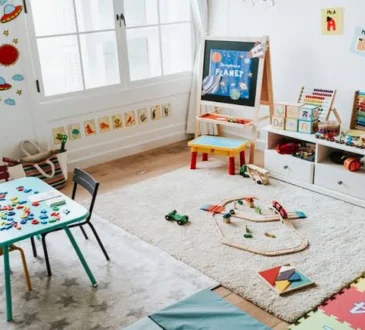


I still remember the specific Tuesday morning when I realized my toddler needed more than just me. We were in the living room, surrounded by a sea of colorful blocks and silent stuffed animals. He looked up, pointed at the window where a group of school kids was walking by, and let out a long, longing sigh.
It hit me right in the chest. My little bird was ready to fly the coop—or at least, hop out of the nest for a few hours.
If you are a parent in Mumbai, specifically in our lovely, leafy suburb, you know this feeling well. You are torn between keeping them close and giving them the wings they need. In a world that is moving at warp speed, the pressure to “get it right” is immense. You aren’t just looking for a daycare; you are scouting for the future.
Today, we are cutting through the noise to discuss the trends, the science, and the answer to the burning question: at what age should a child join playgroup, and how to find the right partner in this journey.
The Neuroscience of “Early”: Why the First 1000 Days Matter
Let’s geek out for a second. Did you know that 85% of a human brain’s development happens before age three? It’s true.
In the past, “school” was something that happened at age four or five. But the research has shifted. We now know that the first 1000 days are the “golden window” for neural connections.
This doesn’t mean we need to drill flashcards into 18-month-olds (please don’t!). It means they need structured stimulation. They need sensory experiences—the feeling of sand, the sound of rhymes, the challenge of stacking blocks. This is where a high-quality Preschool in Kharghar steps in. It provides an environment that a home, no matter how loving, simply cannot replicate.
Answering the Big Question: At What Age Should a Child Join Playgroup?
So, is 1.5 years too early? Is 3 years too late?
While every child is a unique universe, the consensus among child development experts is that the optimal window is between 1.8 to 2.5 years.
Why this specific age?
- The Social itch: Around two years old, children shift from “me” to “we.” They start craving peer interaction.
- The Language Boom: Being around other chatterboxes triggers a massive expansion in vocabulary.
If you are struggling with the specifics of readiness signs—like whether they need to be potty trained or how to handle separation anxiety—we have broken it down extensively. You can dive deeper into the nuances in our guide on at what age should a child join playgroup.
Trend Watch 2026: Future Readiness Starts Now
Here is the kicker: The world our children will inherit in 2040 will look nothing like today. Top trends in early education are shifting away from “rote learning” and toward “adaptability.”
- EQ over IQ: The future belongs to the emotionally intelligent. We need schools that teach empathy, sharing, and resilience just as seriously as they teach ABCs.
- Culture + Context: In a globalized world, knowing who you are is a superpower. Parents in Kharghar are increasingly rejecting cookie-cutter westernized models. They want a Preschool in Kharghar that respects Indian heritage while teaching global skills.
Best Practices: Finding Your Village in Kharghar
Living in Kharghar offers a unique advantage—we have space! Unlike the cramped verticals of other Mumbai suburbs, we value greenery and openness. When scouting for a school, use this “Best Practice” checklist:
- The Vibe Check: Does the school feel clinical, or does it feel like a home? At Basil Woods Kharghar, we designed our campus to feel like an extension of your living room—just way more fun.
- Holistic Curriculum: Look for the PQ + IQ + EQ + SQ framework. We believe in nurturing the Physical, Intellectual, Emotional, and Spiritual distinctively.
- Safety First: From CCTV to soft-edged furniture, the environment must be a safe container for their wildest explorations.
Conclusion: Trust Your Gut
There is no algorithm for parenting. You know your child best. If they are zooming around the house, curious about every sound, and eager to meet new faces, they are telling you they are ready.
Don’t let the anxiety of “letting go” hold them back. The right environment isn’t a separation; it’s an expansion of their world.
Are you ready to give your child a future-ready foundation rooted in values? Visit Basil Woods Kharghar today to see our happy learners in action.
FAQs
1. Is 18 months too early for playgroup? Not at all. Our “Pre-Toddler” programs are specifically designed for this age, focusing on sensory play and gentle socialization rather than strict academics.
2. What makes Basil Woods the preferred Preschool in Kharghar? We are the first to blend a robust modern curriculum with Indian cultural values (Culture Connect), ensuring your child grows up smart and grounded.
3. Does playgroup really help with “big school” admissions? Absolutely. It builds the critical social skills, routine adaptability, and interview readiness that K-12 schools look for.